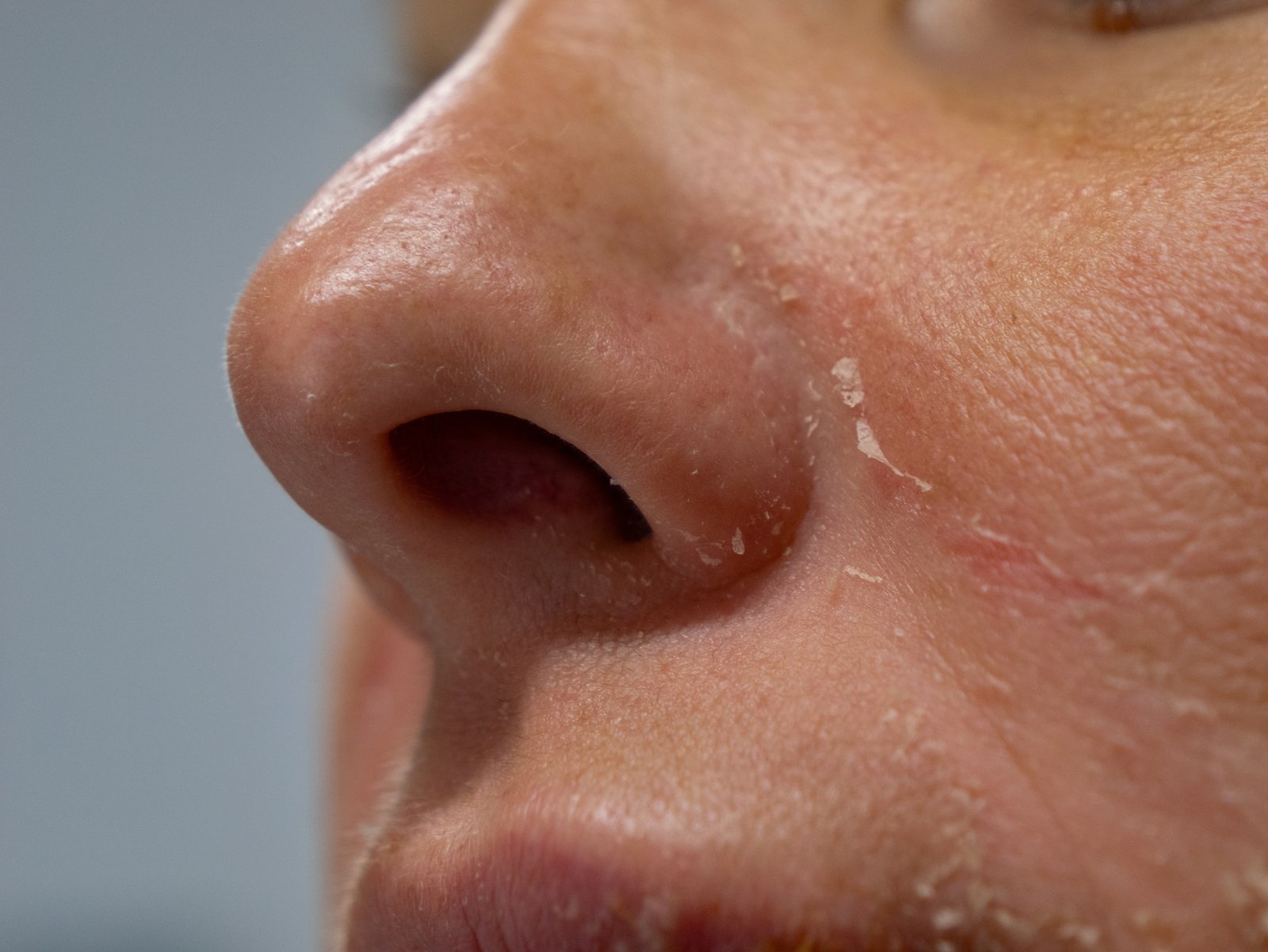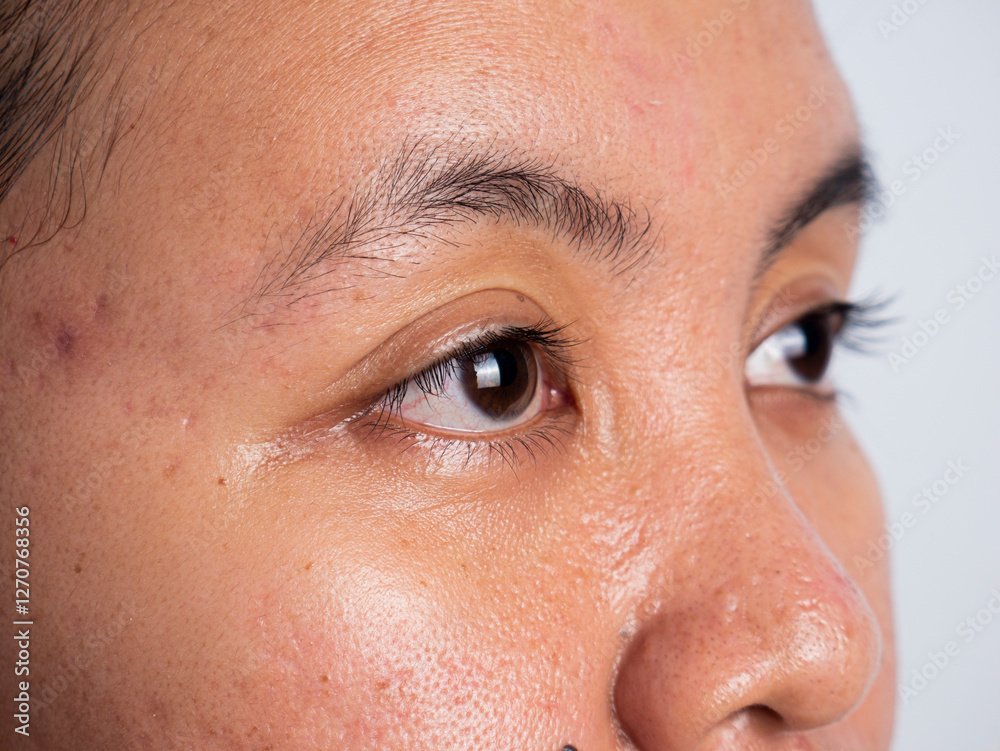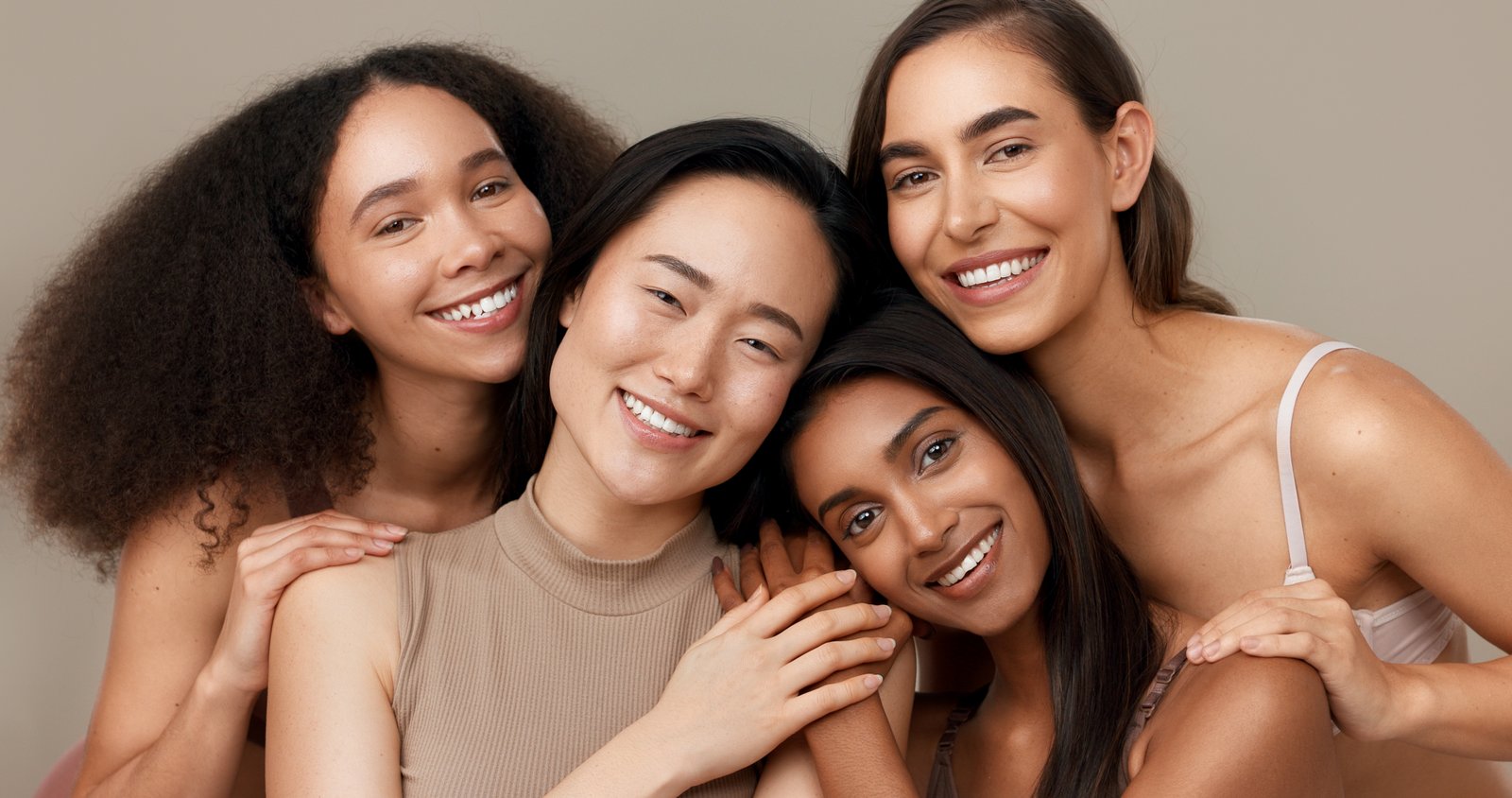
A lot of skincare advice, and a growing number of AI-powered skin tools, are built and tested on a narrow range of skin tones. It’s a well documented problem: several audits of dermatology image datasets have found that darker skin is dramatically underrepresented, sometimes making up only a small fraction of the images used to train and validate skin analysis tools. That gap doesn’t stay theoretical. It shapes whose skin concerns get recognised accurately and whose don’t.
Why this isn’t just a fairness issue, it’s a functional one
Skin concerns don’t present the same way across all skin tones. Redness that’s obvious on fair skin can look completely different, or barely visible, on deeper skin, which is why tools trained mostly on lighter skin can miss inflammation or irritation in darker skin entirely. Hyperpigmentation, one of the most common concerns for melanin-rich skin, behaves differently in how it forms and how it responds to treatment compared with the same-named concern on lighter skin. A tool that was never shown enough examples of these patterns isn’t being unfair on purpose, it genuinely doesn’t have the data to recognise them.
What “built for every skin tone” actually requires
It’s not enough to say a product or tool “works for everyone.” Doing this properly means deliberately including a full range of skin tones in the data and the assessment questions from the start, not adding it later as an afterthought. It means asking about pigmentation and sensitivity in ways that reflect how those concerns actually show up on melanin-rich skin, rather than assuming one presentation is the default and everything else is a variation on it.
It also means being honest about where the science itself has gaps. Some ingredients are well studied across skin tones, others have a research base that skews heavily toward lighter skin, and a personalisation tool worth trusting should be upfront about that rather than pretending every recommendation is equally well evidenced for everyone.
How this shows up in your results
When you take the myskin.ai assessment, the questions about pigmentation, sensitivity, and how your skin has reacted to products in the past are designed to capture the full range of how those concerns present, not just the version that’s most commonly photographed in stock skincare imagery. It’s one of the reasons we ask more than “what’s your skin type” in the first place.
Take the free assessment and get ingredient recommendations built around your actual skin, not a default that was never designed with it in mind.