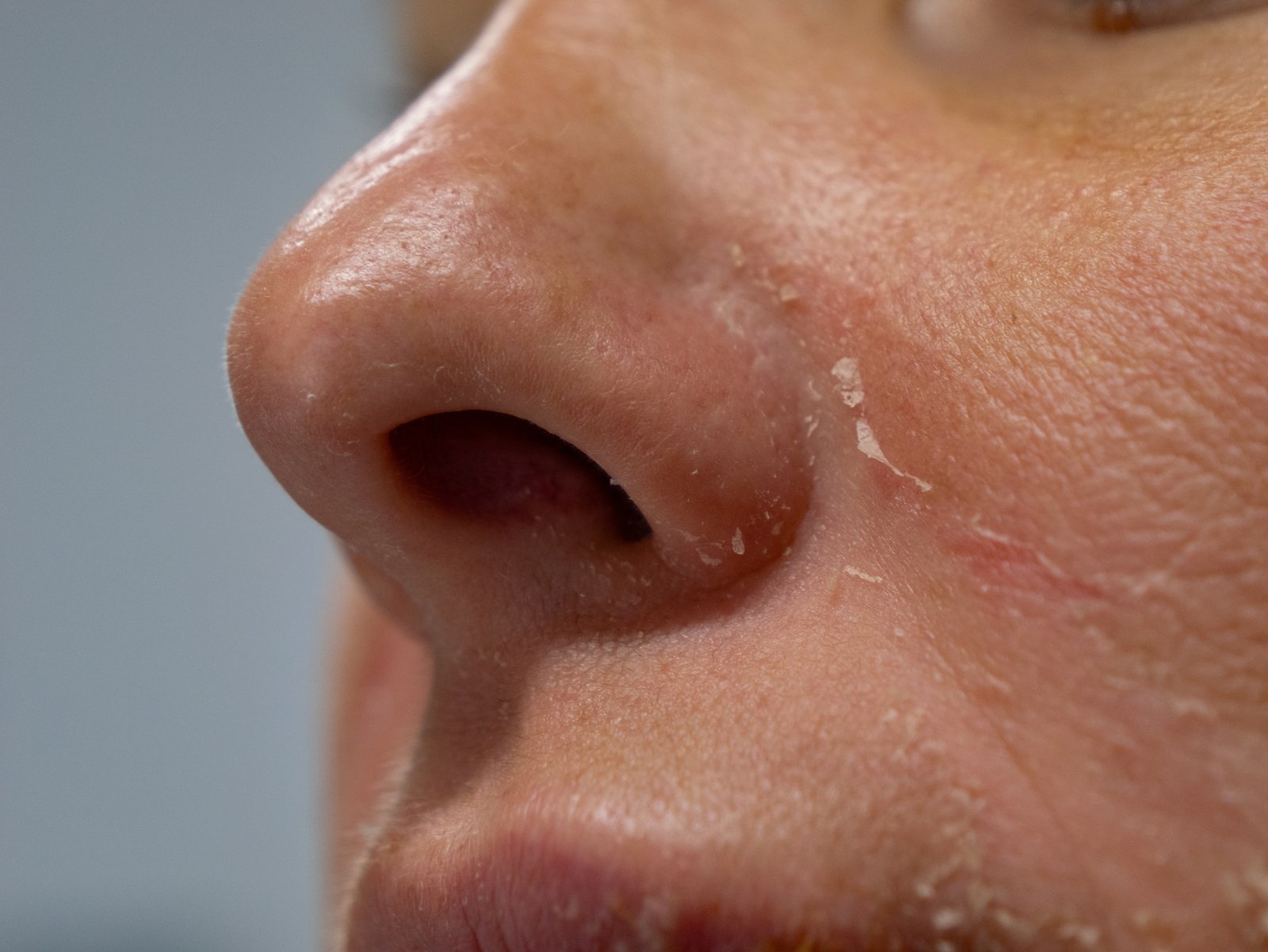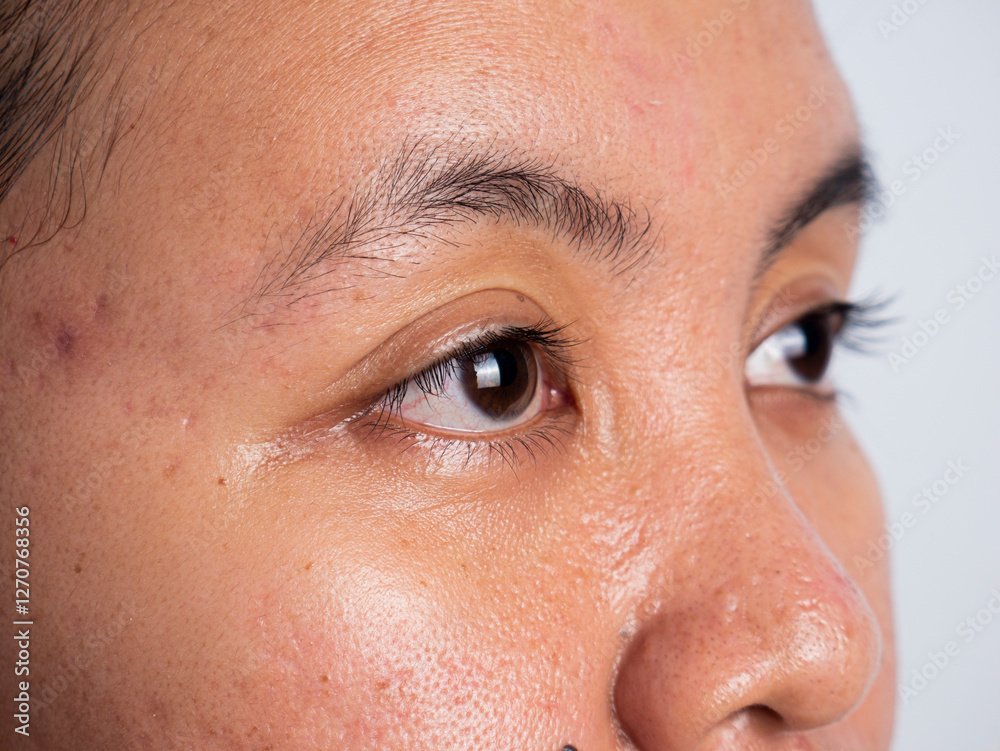
Ingredient lists are the most confusing part of skincare shopping. Niacinamide, hyaluronic acid, retinol, bakuchiol, they all sound like they belong on a chemistry exam, and most product pages don’t explain what any of them actually do to your skin. Here’s the plain-language version of the ingredients that come up again and again in our recommendations, and what the research actually says about each one.
Niacinamide: the multitasker
Niacinamide (a form of vitamin B3) is one of the few ingredients that shows up in routines for oily skin and dry skin at the same time, and that isn’t a contradiction. Research summarised by the Cleveland Clinic points to niacinamide supporting the skin’s lipid barrier, which helps skin hold onto moisture and keep out irritants. It has also been shown to calm inflammation, which is why it turns up in products aimed at redness from acne, rosacea, or general irritation, and separately, it appears to help regulate sebaceous gland activity, so it can take the edge off excess shine without stripping skin the way harsher oil-control ingredients do.
It will not shrink your pores (nothing topical does that), but by smoothing texture and calming redness it often makes pores look less obvious.
Hyaluronic acid: a hydrator, not a moisturiser
Hyaluronic acid gets lumped in with moisturisers, but it works differently. Moisturisers seal water into skin, while hyaluronic acid actually draws water in, thanks to its ability to hold many times its weight in moisture. That is why dermatologists generally recommend applying it to damp skin, so it has water nearby to pull in, and following it with a moisturiser to lock that hydration in place rather than letting it evaporate.
It plumps skin, smooths the look of fine dehydration lines, and gives makeup a better base to sit on, but on its own, in dry air, it can pull moisture from deeper skin layers instead of the air. Pairing it with a moisturiser isn’t optional, it’s the point.
Retinol (and its gentler cousin, bakuchiol)
Retinol has the longest track record of any anti-aging ingredient, and it earns it: it speeds up cell turnover and boosts collagen production, which is why it remains the benchmark most other ingredients get compared against. The tradeoff is tolerability. Retinol can cause dryness, flaking, and stinging, especially when someone starts using it too often or too strong a concentration too soon.
Bakuchiol is often marketed as “plant-based retinol,” and a randomised, double-blind study published in the British Journal of Dermatology in 2019 gives that claim some real backing. Over 12 weeks, bakuchiol and retinol produced statistically similar reductions in wrinkle surface area and pigmentation, but the retinol group reported significantly more scaling and stinging. It’s a smaller study than retinol’s decades of research, so it isn’t a like-for-like replacement in every case, but for people who want retinol-like results without the irritation, it’s a legitimate option worth knowing about.
Why the same ingredient can be wrong for you and right for someone else
None of these ingredients are universally “good” or “bad.” Niacinamide that soothes one person’s rosacea can feel unnecessary on skin that isn’t reactive to begin with. Retinol that transforms one routine can be too aggressive for skin that’s already compromised by a damaged barrier. This is exactly the gap a skin type label can’t close, it tells you nothing about which of these ingredients your specific skin will actually respond well to.
Take the free assessment and we’ll match you to the ingredients that fit your skin, your environment, and your routine, not just a generic list of what’s trending.