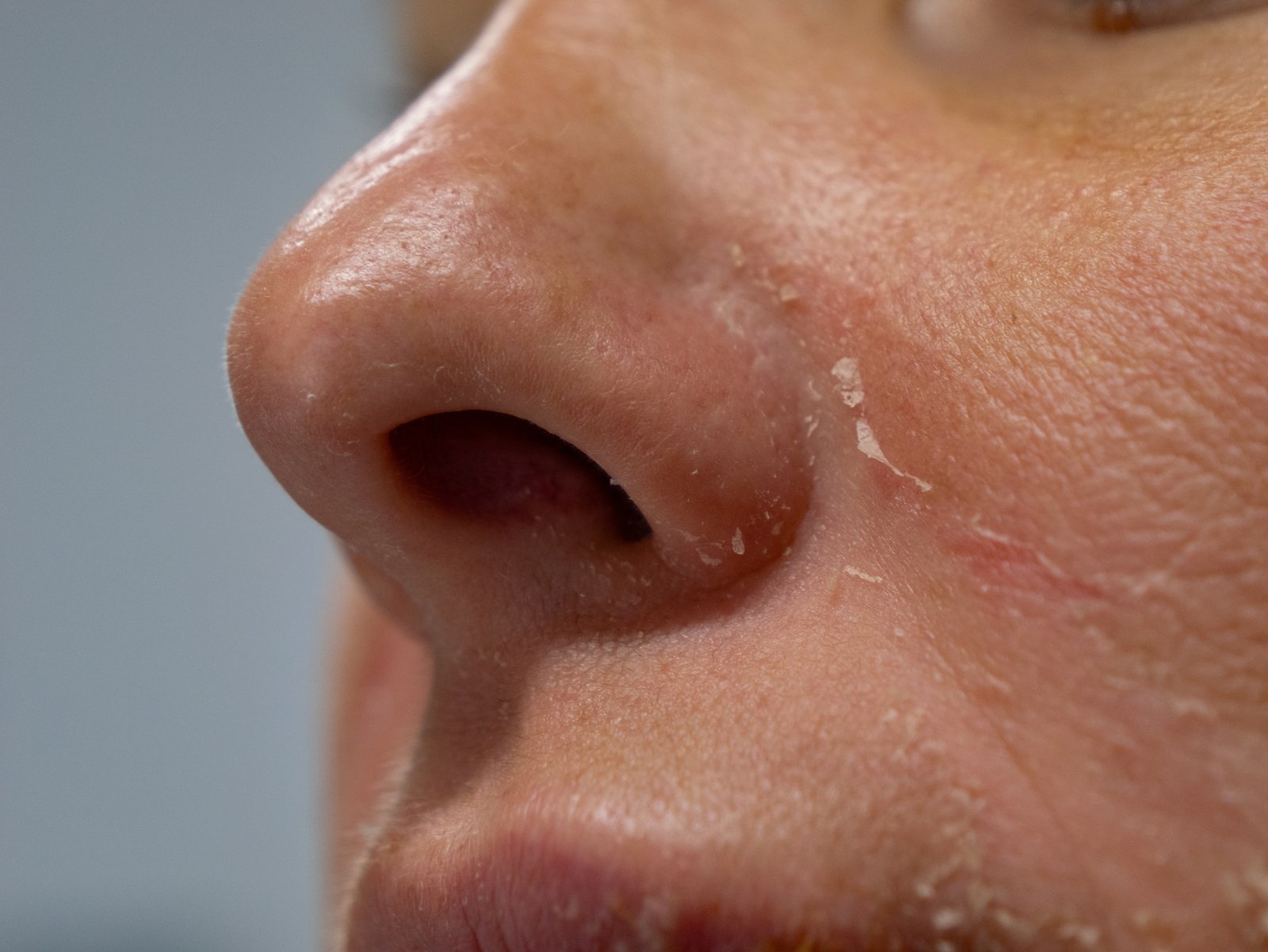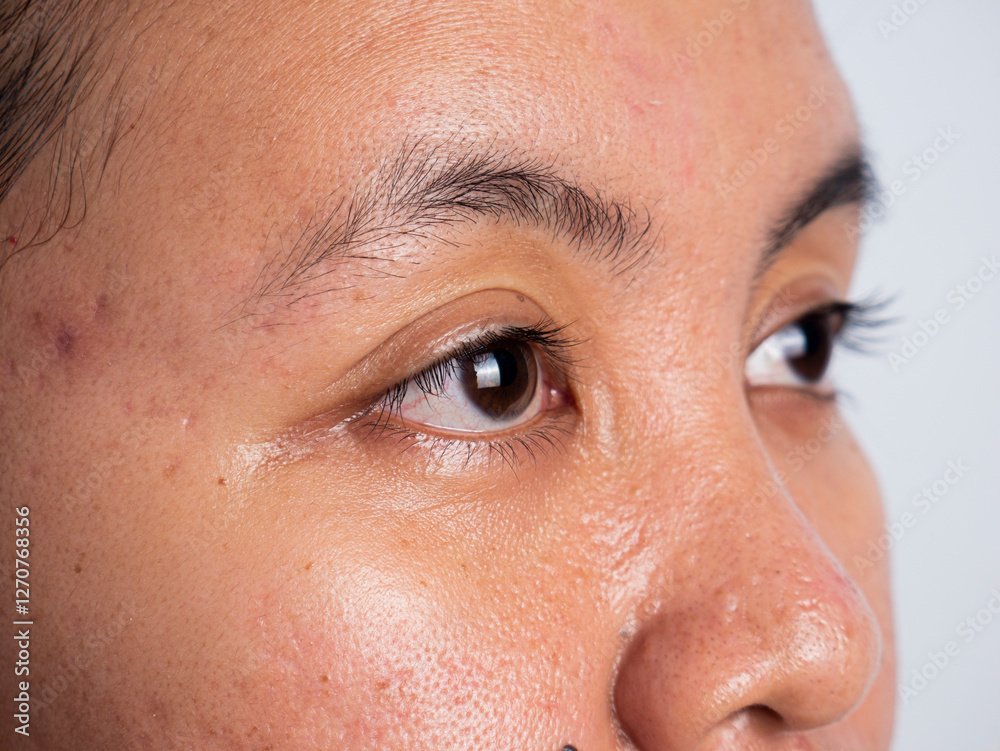
“Oily skin” is treated like a single category with a single fix: use a foaming cleanser, skip the moisturiser, look for anything labelled “mattifying.” In practice, we see oily skin show up for at least three completely different reasons, and using the same fix for all three is a big part of why so many oily skin routines don’t work.
Hormonal oiliness
Hormones directly influence how much oil your sebaceous glands produce, which is why oiliness often tracks with puberty, your menstrual cycle, pregnancy, or conditions like PCOS. This kind of oiliness tends to be genuinely excess production, and it’s the one case where an ingredient like niacinamide, which research suggests helps regulate sebaceous gland activity, or a gentle exfoliating acid can make a real difference.
Climate-driven oiliness
Humidity changes how much your skin needs to compensate on its own. In hot, humid conditions, skin often produces more oil simply because the environment is doing less of the moisture-retention work for it. Someone who calls themselves “oily” in a humid coastal city might not be oily at all somewhere drier, which is exactly why environment is part of what we ask about in the assessment rather than treating skin type as fixed.
Barrier-damage oiliness (the one people usually miss)
This is the counterintuitive one. When the skin barrier is stripped, often by over-cleansing, harsh actives used too frequently, or hot water, skin can respond by producing more oil to compensate for the moisture it’s losing. The instinct is to reach for something even more stripping, which makes the underlying damage worse and the oil production worse along with it. In this case the actual fix isn’t oil control, it’s rebuilding the barrier: a gentler cleanser, fewer active ingredients at once, and a moisturiser that hydrated skin genuinely needs, even if it feels wrong for skin that already looks shiny.
Why this matters for what you put on your face
Three people who all call themselves “oily” and follow the same generic oily-skin routine could be treating a hormonal issue with the wrong ingredient, ignoring their actual environment, or actively making a damaged barrier worse. None of that shows up in a skin type label, which only describes what your skin looks like right now, not why it’s behaving that way.
This information is for general education and isn’t a substitute for advice from a dermatologist, particularly if oiliness is sudden, severe, or linked to a diagnosed hormonal condition.
Take the free assessment and we’ll factor in your hormones, your environment, and your current routine before recommending anything, not just what your skin looks like today.