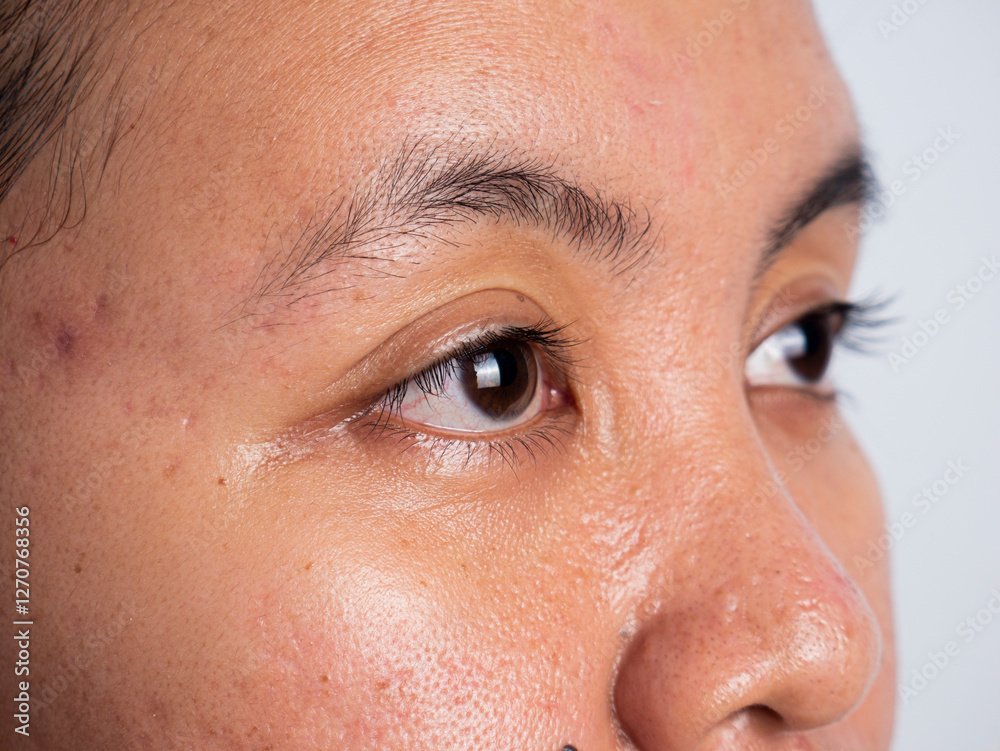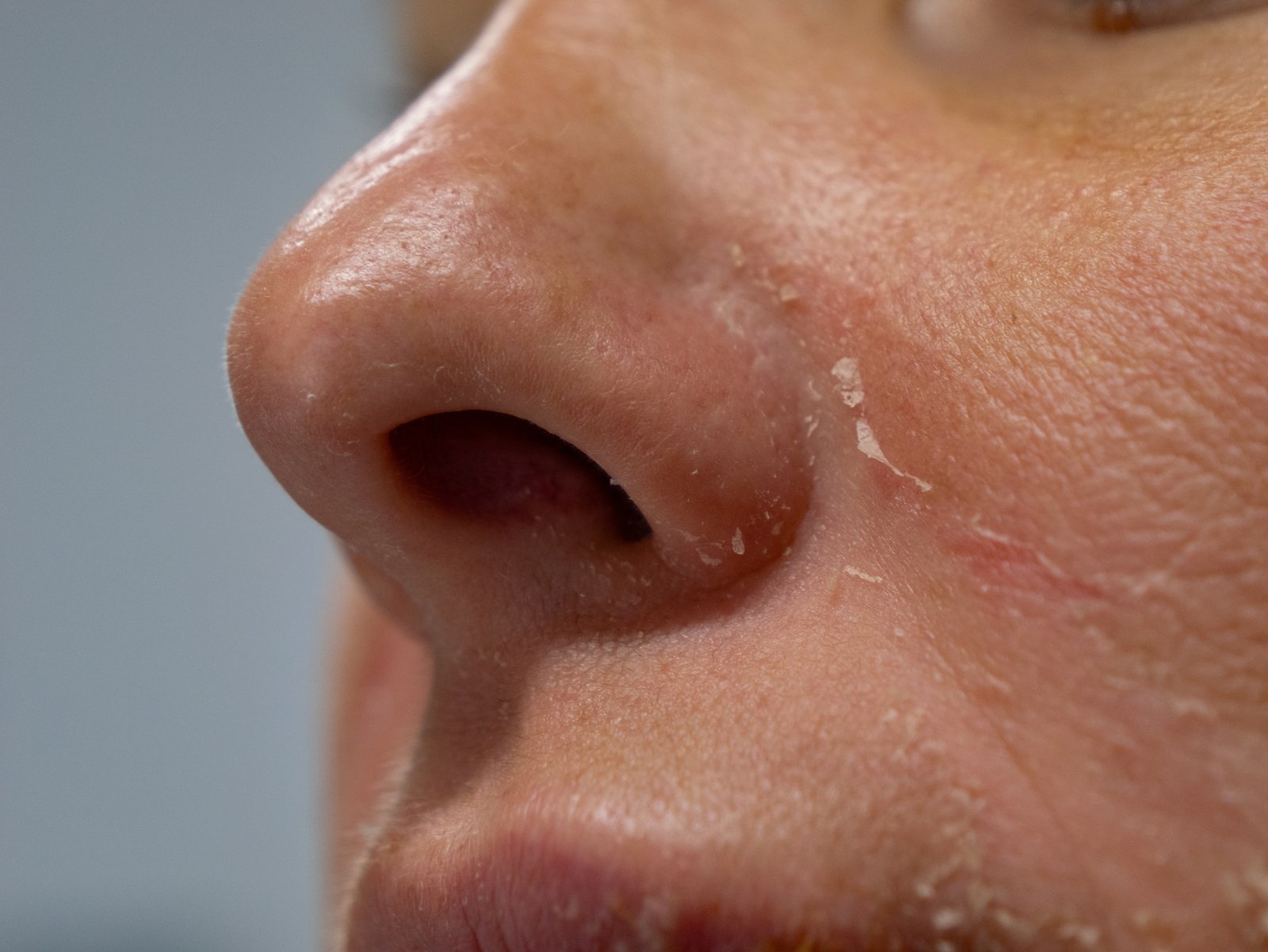
Most people troubleshoot a struggling skincare routine by changing products. Fewer people check whether their environment is quietly working against whatever they put on. Water hardness, weather, and pollution all have a measurable effect on your skin barrier, and none of them show up on an ingredient list.
Hard water and your skin barrier
Hard water, water with a high mineral content, has been linked to skin barrier problems in a growing body of research. Large-scale studies, including analysis from the UK Biobank, have found an association between domestic hard water exposure and higher eczema risk, and researchers now believe part of the mechanism involves how hard water interacts with soap and cleansers to leave residue on skin, disrupting the barrier rather than cleaning it fully. Ongoing clinical research is even testing whether installing water softeners in high-risk homes can reduce eczema development in infants, which tells you how seriously this link is being taken.
If you live somewhere with notably hard water and struggle with dryness or irritation that a normal moisturiser doesn’t fully resolve, the water itself is a genuine variable worth ruling out, not something to overlook in favour of buying yet another cream.
Climate does more than “dry out” or “hydrate” skin
Cold, dry air pulls moisture from skin faster than it can be replaced, which is why the same routine that works fine in summer can leave skin flaking in winter. Humidity works the other way, it can make oil production increase as skin relies less on its own barrier to retain moisture. This is part of why we ask about your environment during the assessment rather than treating your skin type as something fixed. The same skin can behave completely differently depending on where you live and what season it is.
Pollution and your barrier
Airborne pollutants, including fine particulate matter, have been linked in dermatology research to oxidative stress in skin, which can weaken the barrier over time and accelerate visible signs of aging. Unlike a bad ingredient choice, this is one you can’t always fix by changing what’s in your routine, though ingredients with antioxidant properties, including niacinamide, are part of how skincare tries to offset some of that damage.
Why this belongs in a skincare conversation at all
None of this means your products are failing you. It means the products are only ever half of the equation, and a routine that’s genuinely personalised has to account for the environment your skin is actually living in, not just what’s written on the bottle.
Take the free assessment and we’ll factor in your environment alongside your skin concerns, not treat them as separate problems.