
Most skincare still starts with the same question: are you oily, dry, or combination? It’s a fair starting point, but it’s also where most advice stops, and that’s the gap MySkin.ai was built to close.
The problem with “oily, dry, or combination”
A skin type label tells you almost nothing about why your skin behaves the way it does. Two people can both call themselves “oily” and need completely different ingredients, one because of hormones, the other because of the climate they live in, a third because of a routine that’s stripping their barrier and triggering more oil in response. Treating those three people the same way is how so many products end up unused in a bathroom cabinet.
How the assessment actually works
MySkin.ai asks a short set of questions about your skin, but also about your environment, your lifestyle, and your routine, the parts of the picture most skincare quizzes skip entirely. That answer set is matched against a database of skincare ingredients to work out which ones are actually suited to your profile, not just your self-reported skin type. From there, we show you real products that contain those ingredients, so you’re not left with a list of chemical names and nowhere to take them.
It takes a few minutes, and at the end you get a personalised profile: the ingredients that fit your skin, and the products that contain them.
Built to work across skin tones, not just around them
One thing we take seriously that a lot of skin tech doesn’t: a well documented problem in this industry is that many AI powered skin tools are trained on datasets where darker skin is badly underrepresented, sometimes only a handful of images out of tens of thousands. That’s not a small gap, it shapes whose skin the recommendations actually work for. MySkin.ai’s assessment is built to account for the full range of skin tones and the different ways skin concerns like pigmentation and sensitivity show up across them, not treat one skin type as the default and everyone else as an edge case.
What you actually get at the end
No generic “top 10 products for oily skin” list. Your results are built from your own answers: the ingredients that match your specific profile, and, where we’ve found them, real products you can go and look at, with the option to see more detail on why an ingredient was recommended for you. It’s designed to be a starting point for a routine you understand, not another quiz result you forget by the end of the day.
For informational purposes only, this isn’t a medical diagnosis, and it isn’t a replacement for advice from a dermatologist if you have a skin condition that needs one. It’s a tool for understanding your skin better and shopping with a bit more confidence.
Ready to see what your skin actually needs?
Take the free assessment and get a profile built around your skin, not just your skin type.
More from the blog
 The Skincare Ingredient Glossary: What Niacinamide, Hyaluronic Acid, and Retinol Actually DoRead the post →
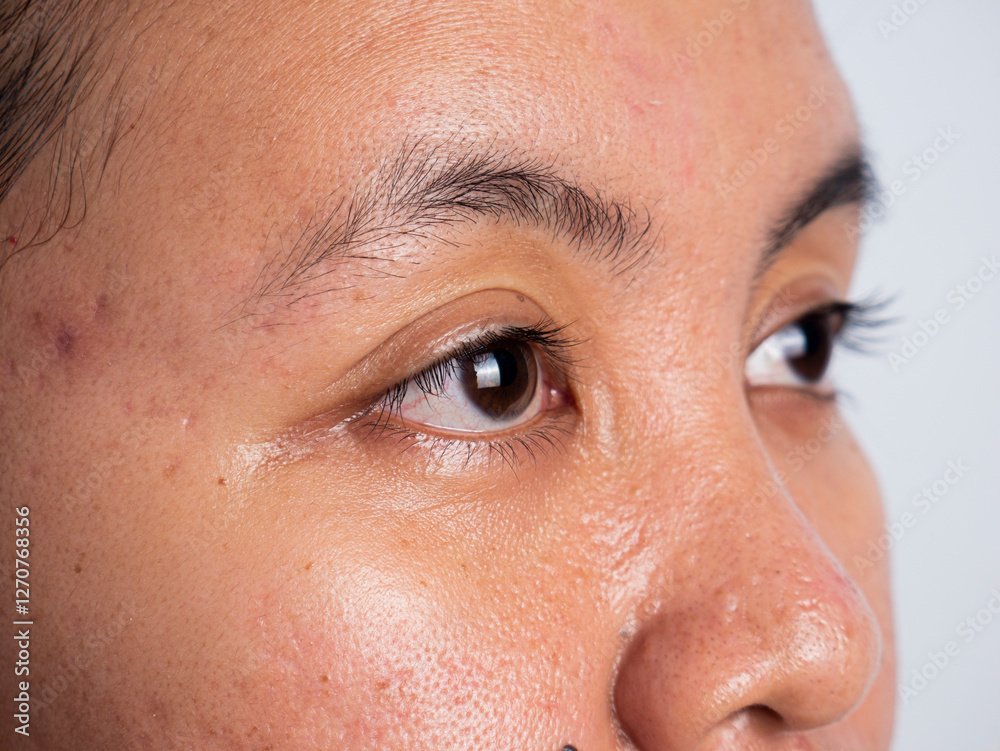 Why “Oily Skin” Isn’t One Thing: Hormones, Climate, and Barrier Damage ExplainedRead the post →
 Building Skincare for Every Skin Tone: Closing the Data Gap in Beauty TechRead the post →
 The Right Order to Apply Your Skincare (And Why It Actually Matters)Read the post →
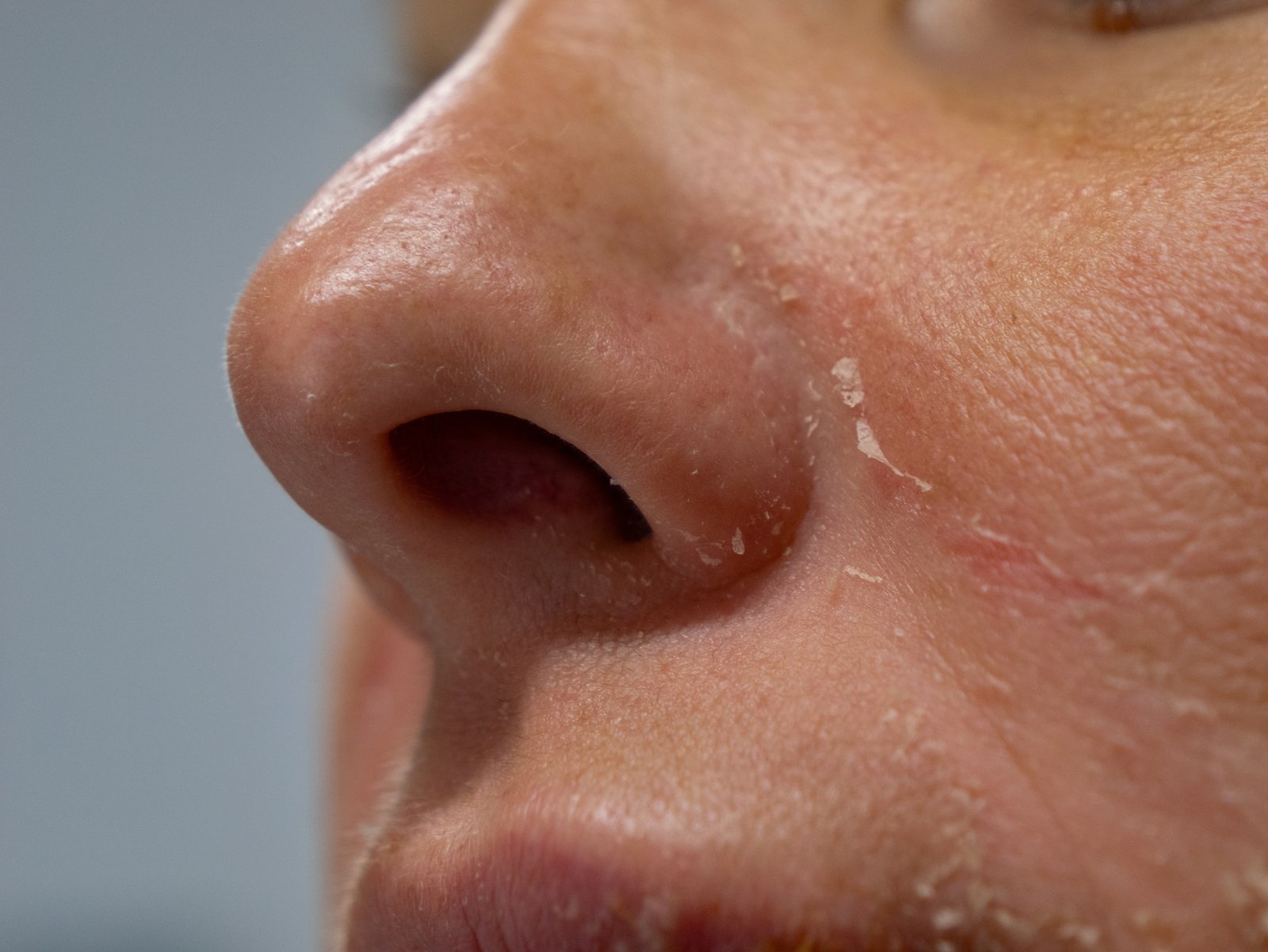 How Weather, Water, and Pollution Quietly Wreck Your Skin BarrierRead the post →